 pupbnb
Mastering self-custody. "Not your keys, not your coins." Hot vs Cold Wallets.
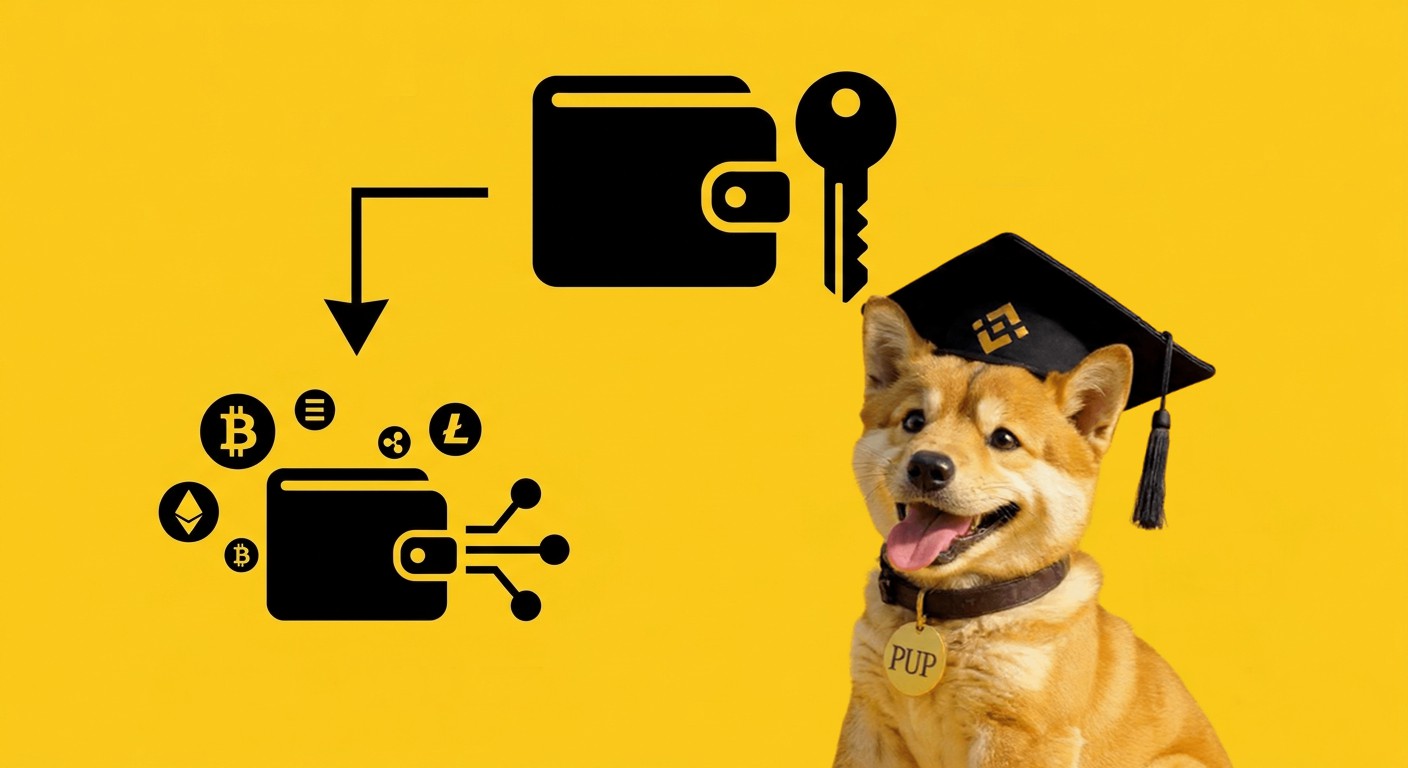
A wallet is like a digital wallet. Just like you use a wallet in your daily life to store money, a wallet is used to store your digital coins, such as Bitcoin.
But unlike a regular wallet, it does not actually hold the money itself. It holds something very important that gives access to your money: Your keys.
Think of the keys as the password to your wallet. Whoever has this key can use the money. That is why there is a very important phrase in the world of cryptocurrencies:
This means that if another person or company holds your keys, then in practice your money is not fully under your control.
When you leave your money in an app or a third party website, like an exchange, it is like leaving your money with someone else to keep it for you. It can be convenient, but you need to trust that company. If something goes wrong, you could lose access to your money.
When you have your own wallet, you are the one who holds your keys. This is called self custody. In simple words, it means you are the only person responsible for your money. No one can block, take, or control your coins, as long as you take good care of your keys.
There are two main types of wallets. Here is how they work:
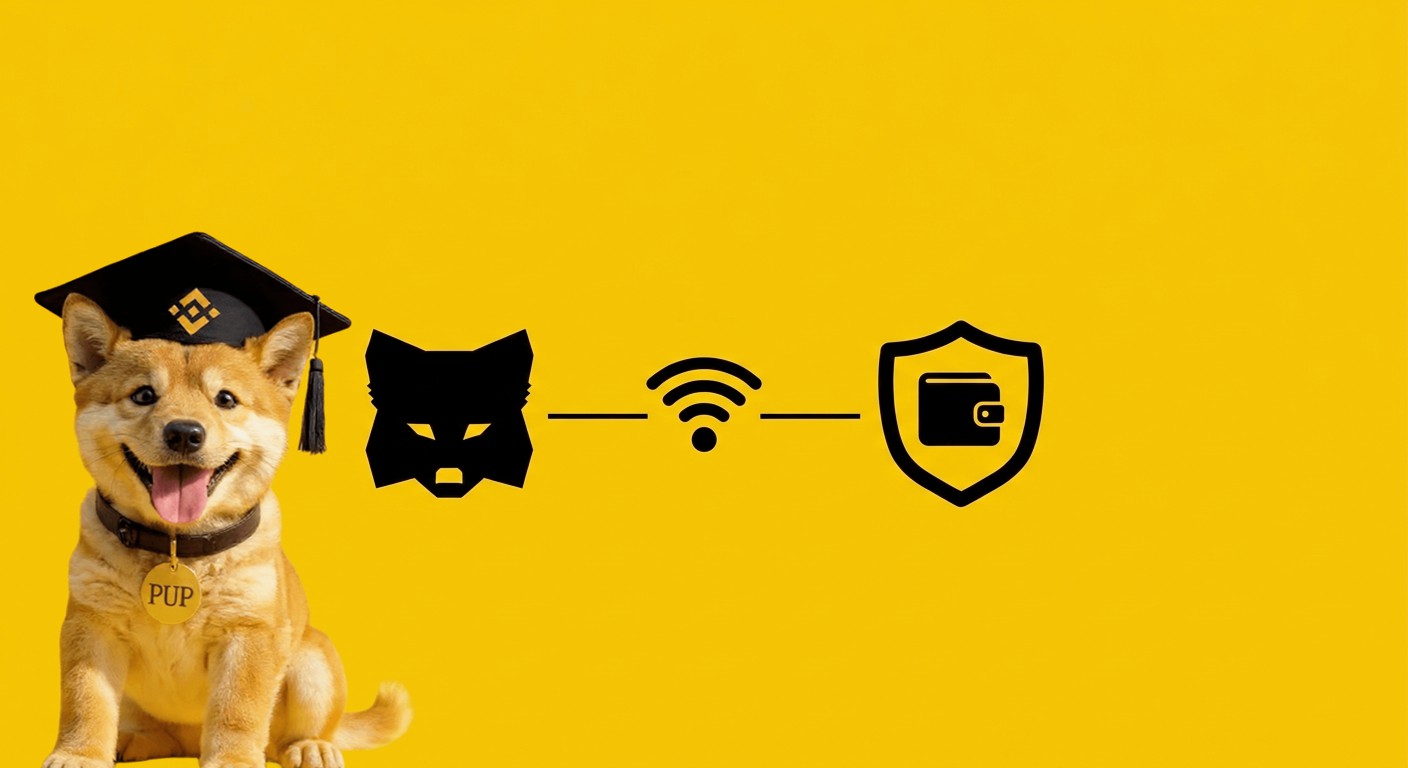
A hot wallet is a wallet that is connected to the internet. It can be an app on your phone or computer.
It is easy to use and fast for making payments. Because it is always connected, it is more practical for everyday use. But it also requires more care, because anything connected to the internet can have risks.

A cold wallet is a wallet that is not connected to the internet. It can be a physical device or even a key written on paper.
Because it stays offline, it is much safer from online attacks. However, it can be a little less practical for frequent use.
A simple way to understand is this: a hot wallet is like the money you carry in your pocket for daily use. A cold wallet is like money stored in a safe, well protected for the future.
The most important thing of all is understanding responsibility. When you use self custody, you need to store your keys very carefully. If you lose your keys, you also lose access to your money, and there is no one who can recover it for you.
On the other hand, if you keep your keys safe, no one can take your money from you.